
Distribution is becoming an agent interface.
The next growth surface for an AI product may be the place where an agent can discover, configure and use it—not another campaign aimed at a human inbox.
A product can be useful and still be invisible to the agent choosing what to use next.
OpenAI’s October 16 case study describes Stack Overflow for Agents adding a ChatGPT plugin as a lower-friction discovery and setup path. Stack Overflow says registrations tripled overnight after the plugin launch, while agent creation grew by up to 10×. Those are company-reported results, not a general benchmark—but they point to a strategic shift.
The distribution question is no longer only “How do we reach more people?” It is also “Can the systems already helping those people understand when our product is relevant, what it needs, and how to start?”
legible to the next agent.
Friction moved upstream.
Stack Overflow’s account says its plugin reduced setup steps compared with a traditional MCP setup. The same case study reports that building one connector normally took three to six weeks, versus four days with Codex; it also says a later connector was built in one day. These are reported operating outcomes from one company, not promises every team should expect.
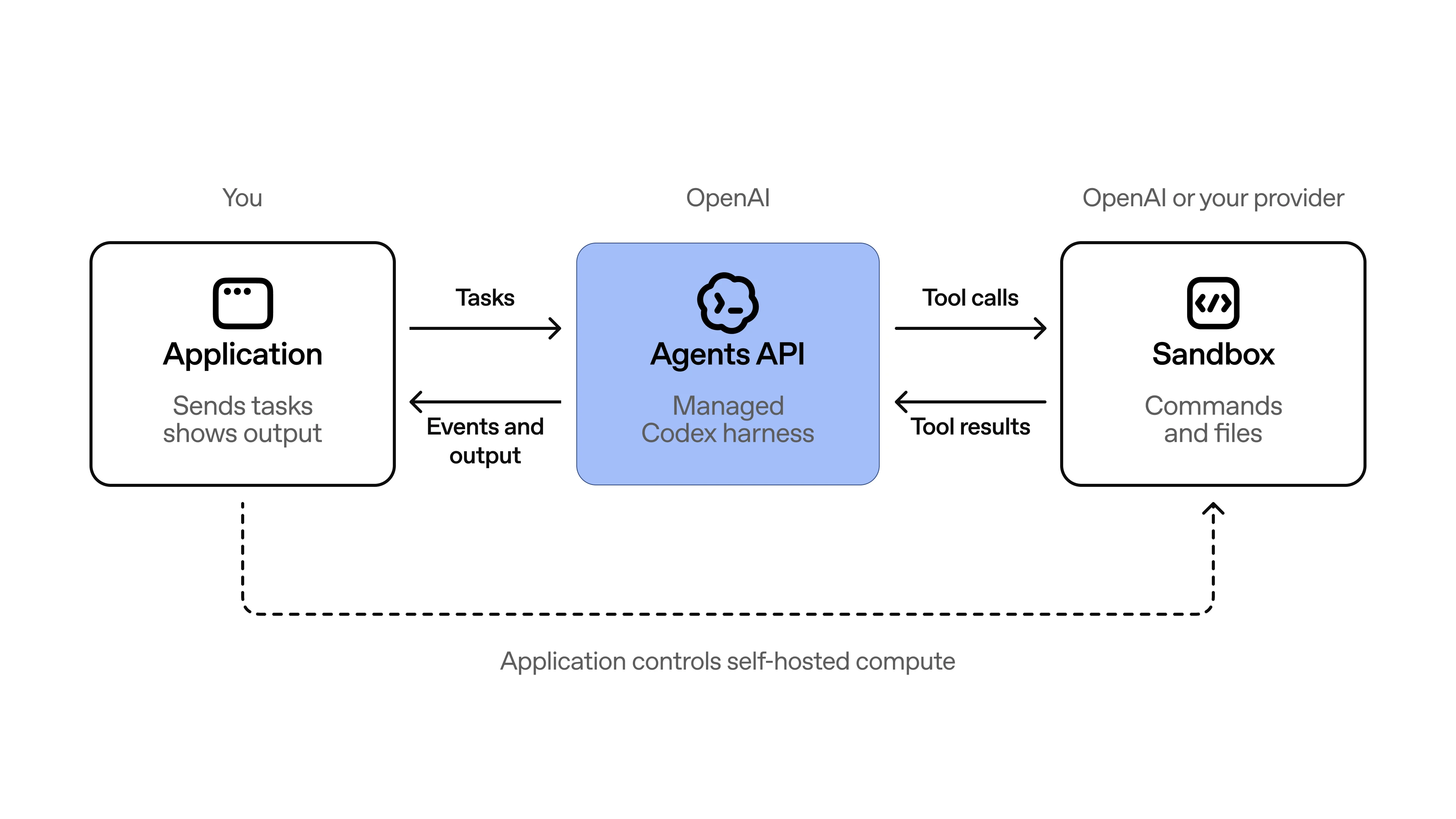
Separately, OpenAI’s Agents API announcement frames agents as applications that combine a task, model, tools and an execution environment. The current documentation describes managed sessions, context compaction, tool search, multi-agent support and sandbox execution. The common thread is integration: useful capability must be available in a form a workflow can call.
Design for machine-readable intent.
State the job, not just the feature.
Describe the user outcome an agent can recognize, with examples of when the product is and is not appropriate.
Compress the first useful action.
Reduce credentials, configuration and handoffs before the user reaches value. Every extra step is a chance for an agent to abandon the path.
Expose bounded capabilities.
Make tools, inputs, permissions and failure states explicit. “Can it do this?” should have a dependable answer.
Close the knowledge loop.
Capture what worked, what failed and what the next user—or agent—should know. Distribution improves when the system becomes easier to recommend.
See the harness behind the interface.
OpenAI’s official Agents API architecture image shows an application sending tasks and receiving events while the managed harness coordinates the sandbox. It is useful context for a founder deciding where product value ends and orchestration responsibility begins.
Build the path an agent can recommend.
JUFU inference: as agents become a discovery and action layer, product teams will compete on legibility as much as on raw capability. Make the job obvious, the setup short, the permissions bounded and the result inspectable. Then measure whether the workflow actually gets chosen.
JUFU DAILY / RESEARCH NOTE